

Importance of HVAC filter replacement
Regularly replacing your HVAC filter is crucial for maintaining a healthy and efficient home environment. A clean filter ensures that your HVAC system runs smoothly, prevents dust and debris buildup, and improves air quality. Failure to replace filters can lead to reduced airflow, increased energy consumption, and potential system malfunctions. Remember, a simple filter change can save you from costly repairs and keep your home’s air clean and fresh.

Signs that your HVAC filter needs replacement
When your HVAC filter is dusty or dirty, airflow in your home is restricted, making your system work harder. This can lead to a spike in your energy bills and put a strain on your HVAC system. If you notice any of the following signs, it’s time to replace your HVAC filter:
- Increased energy bills than usual
- Dust accumulation around vents and registers
- Allergies acting up
- Strange odors coming from the vents
- Inconsistent heating or cooling in different rooms
By staying alert to these signals, you can ensure that your HVAC system runs efficiently and keeps your indoor air quality clean.
Types of HVAC filters
There are three main types of HVAC filters commonly used in homes: fiberglass, pleated, and HEPA filters.
- Fiberglass filters are the most basic and economical option. They are best for capturing larger particles such as dust and dirt, but may not be as effective at trapping smaller allergens.
- Pleated filters have a larger surface area for trapping particles, making them more efficient than fiberglass filters. They are suitable for capturing smaller particles like pollen and pet dander.
- HEPA filters, or High-Efficiency Particulate Air filters, are the most effective at trapping airborne particles, including bacteria and viruses. They provide the highest level of filtration but are typically more expensive than fiberglass and pleated filters.
Choosing the right filter for your home
When choosing a filter for your HVAC system, it’s important to consider factors like the size of your home, the air quality in your area, and the type of HVAC system you have. Filters are rated by MERV (Minimum Efficiency Reporting Value), with higher ratings providing better filtration but potentially restricting airflow. Here are some tips for choosing the right filter:
- MERV rating: Opt for a filter with a MERV rating between 8 and 13 for a good balance between air quality and system efficiency.
- Filter size: Make sure to get the correct size filter for your HVAC system to ensure proper fit and function.
- Filter type: Choose between fiberglass, pleated, electrostatic, or HEPA filters based on your specific needs and budget.
By selecting the right filter, you can improve your indoor air quality and maintain the efficiency of your HVAC system.
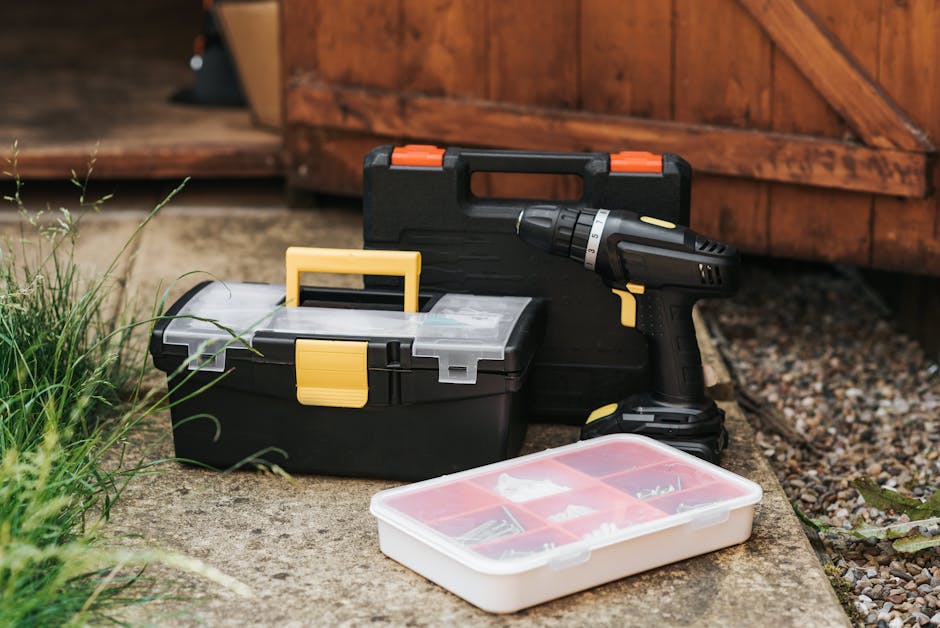
Tools needed for DIY HVAC filter replacement
To replace your HVAC filter on your own, you will need some basic tools. Here’s what you should have on hand:
- New HVAC Filter: Make sure you have the correct size and type for your system.
- Gloves: Protect your hands from dust and dirt.
- Safety Glasses: Keep your eyes safe from any debris.
- Vacuum Cleaner: Handy for cleaning any dust around the filter area.
- Permanent Marker: Useful for noting the date of the replacement on the new filter.
- Flashlight: Helps you see clearly in darker areas.
Having these tools ready will make your HVAC filter replacement job easier and more efficient.
Safety precautions to take
Before starting any DIY HVAC filter replacement, make sure to turn off your HVAC system to avoid any accidents. Always wear protective gloves to prevent any injuries from sharp edges. Additionally, double-check the filter size to ensure it fits correctly in your HVAC system for optimal functioning. Lastly, handle the filter with care to avoid spreading dust and debris into the air.
Step-by-step guide to replacing your HVAC filter
Let’s start by locating the filter access panel on your HVAC system. Open the panel carefully and observe how the filter is placed inside. Turn off your HVAC system to ensure safety during the replacement process. Take out the old filter and note its size, which you can find written on its frame. Purchase a new filter of the same size and type. Slide the new filter into the slot, making sure it fits snugly. Close the panel securely. Turn on your HVAC system and enjoy better air quality in your home.
Tips and tricks for a successful filter replacement
Filters should be replaced every 1 to 3 months for optimal HVAC system performance. Before replacing the filter, make sure to turn off your system to avoid damage. Check the size of your current filter to ensure you purchase the correct replacement. When installing the new filter, pay attention to the airflow direction arrows on the filter frame. It’s also a good idea to write down the date of replacement on the filter itself to keep track of when it needs changing next. Regularly replacing your HVAC filter can improve air quality in your home and prolong the life of your system.
Benefits of regular HVAC filter maintenance
Regular HVAC filter maintenance can improve the air quality in your home by trapping dust, dirt, and other particles. It can also help your HVAC system to run more efficiently, which can lower your energy bills. By changing your filters regularly, you can extend the lifespan of your HVAC system and reduce the chances of breakdowns, saving you money on costly repairs. A clean filter can also enhance the overall comfort of your home by ensuring proper airflow and temperature regulation. Remember, a well-maintained filter is essential for optimal HVAC performance.
Summary: Keeping your HVAC system running efficiently
To keep your HVAC system running efficiently, it’s essential to replace the filters regularly. This simple task can improve air quality and reduce strain on your system, helping it work better and last longer. By replacing your HVAC filters, you ensure proper airflow, reduce energy consumption, and prevent costly repairs. Remember, regular filter changes are key to maintaining a healthy and efficient HVAC system.
