
How South Florida’s Climate Influences HVAC Installation Choices
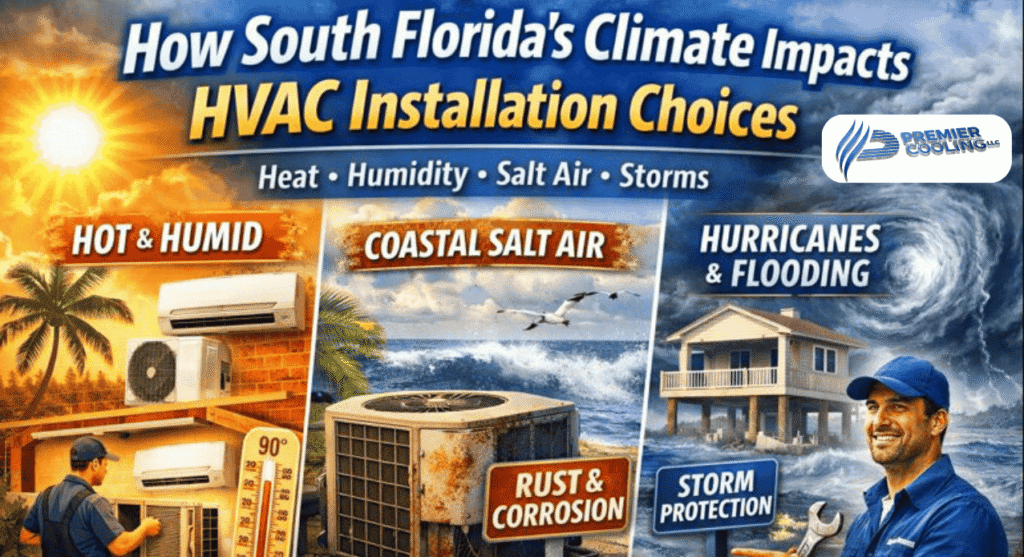
The climate of South Florida is different to that of most of the regions in the United States. High temperatures, year-round humidity, salt-laden coastal air, and frequent storms create unique challenges for homeowners and businesses when it comes to HVAC installation. When the wrong system is selected or the right system is installed improperly this may result in increased energy usage, less comfort, increased breakages and shortened life of the equipment.
Understanding how South Florida’s climate directly impacts HVAC installation decisions is essential for property owners in Broward County and surrounding areas. Climate determines what works, and what does not, in the long run, whether it is system sizing, or even humidity or corrosion resistance.
This guide explains how South Florida’s weather conditions influence HVAC installation choices and what you should prioritize to ensure long-term efficiency, durability, and comfort.
1. Severe heat conditions necessitate the best cooling systems.
South Florida is an area of long cooling seasons when the temperatures tend to be over 90 o C during several months. Air conditioners run continuously in this area as opposed to swapping between heating and cooling as it is done in the north.
How this affects HVAC installation
- Higher SEER2 ratings are essential to reduce energy consumption
- Systems must be designed for continuous operation
- Oversized or undersized units can cause inefficiency and humidity problems
It is important that proper load calculation (Manual J) be done during installation so that the system will not be overworked by the long-lasting heat. Installing in South Florida has demanded that installers should insist on cooling performance and not heating capacity.
2. The Moisture Control in High humidity is Advanced.
One of the largest issues in South Florida houses is humidity. Mold growth, musty smell, and poor indoor air quality are likely to occur even after the temperatures are comfortable.
Why humidity matters in HVAC installation
- Standard AC units may cool air without adequately removing moisture
- Incorrect airflow design can trap humidity indoors
- Poor dehumidification leads to discomfort even at lower temperatures
Best installation choices for humid climates
- Variable-speed HVAC systems
- Dedicated dehumidifiers integrated with HVAC
- Proper duct sealing and insulation
- Correct thermostat placement and calibration
In South Florida, humidity control is just as important as temperature control during HVAC installation.
3. Salt Air and Coastal Conditions Affect Equipment Durability
In coastal areas of Broward County, salt-laden air accelerates corrosion on HVAC components—especially condenser coils and outdoor units.
Installation considerations for coastal properties
- Use corrosion-resistant coils and coatings
- Elevate outdoor units to prevent water damage
- Ensure proper airflow to reduce salt buildup
- Choose manufacturers with coastal-rated equipment
Failing to account for salt air exposure during HVAC installation can shorten system lifespan by several years.
4. Frequent Storms and Flooding Influence System Placement
South Florida is prone to hurricanes, heavy rainfall, and localized flooding. HVAC installation must factor in extreme weather resilience.
Climate-driven installation strategies
- Elevating outdoor units above flood levels
- Securing condensers with hurricane-rated brackets
- Protecting electrical components from water intrusion
- Ensuring proper drainage and condensate lines
An HVAC system installed without storm protection can suffer costly damage during severe weather events.
5. Energy Efficiency Is More Critical in Hot Climates
Because cooling demand is constant, even small inefficiencies can lead to significant energy costs over time.
Energy-efficient HVAC installation priorities
- SEER2-compliant systems
- Smart thermostats optimized for Florida weather
- Zoned HVAC systems for large homes
- Ductwork designed to minimize heat gain
In South Florida, energy efficiency is not a luxury—it’s a necessity.
6. Ductwork Design Plays a Bigger Role Than You Think
Poor ductwork can negate the benefits of even the most advanced HVAC system.
Climate-specific duct challenges
- Heat gain from attic-installed ducts
- Condensation buildup due to humidity
- Air leaks causing uneven cooling
Best practices
- Sealed and insulated duct systems
- Proper airflow balancing
- Strategic vent placement for consistent cooling
A climate-aware HVAC installation ensures ducts work with the system, not against it.
7. Heat Pumps Are Gaining Popularity in South Florida
Unlike colder regions, South Florida’s mild winters make heat pumps an increasingly popular HVAC installation choice.
Why heat pumps work well here
- Efficient cooling and heating in one system
- Lower operational costs
- Reduced environmental impact
- Excellent performance in warm climates
When installed correctly, heat pumps offer year-round comfort tailored to South Florida’s conditions.
8. Indoor Air Quality Is a Climate-Driven Priority
High humidity and warm temperatures create ideal conditions for allergens, bacteria, and mold.
HVAC installation upgrades for better IAQ
- UV light purification systems
- High-efficiency air filters
- Whole-home ventilation solutions
- Integrated humidity control
South Florida homeowners increasingly choose HVAC systems that prioritize clean, healthy indoor air.
Conclusion: Climate-Smart HVAC Installation Makes All the Difference
South Florida’s climate is demanding, but with the right HVAC installation strategy, homeowners and businesses can achieve reliable comfort, lower energy costs, and longer system life.
Whether it is humidity regulation and resistance to corrosion, installation resistance to storm and energy efficiency, it is all in the details. Hiring an HVAC company that knows how to overcome the distinct climatic issues of the South Florida region would mean that your system would be designed to work, not to have difficulty.
If you’re planning a new HVAC installation in Broward County, climate-specific expertise is not optional—it’s essential. Call us now at 954-257-9998 for a free consultation.
FAQs
1. Why is HVAC installation different in South Florida?
South Florida’s heat, humidity, salt air, and storms require specialized system sizing, moisture control, and corrosion-resistant installation methods.
2. What HVAC system works best in high-humidity climates?
Variable-speed systems, heat pumps, and units with advanced dehumidification perform best in South Florida’s humid environment.
3. Does salt air really damage HVAC systems?
Yes. Coastal salt air accelerates corrosion, making protective coatings and proper equipment selection critical during installation.
4. Is a higher SEER rating important in South Florida?
Absolutely. Since air conditioners run most of the year, higher SEER2 ratings significantly reduce energy costs.
5. Should HVAC units be elevated in flood-prone areas?
Yes. Elevating outdoor units helps prevent water damage during heavy rain, storms, and flooding common in South Florida.
