

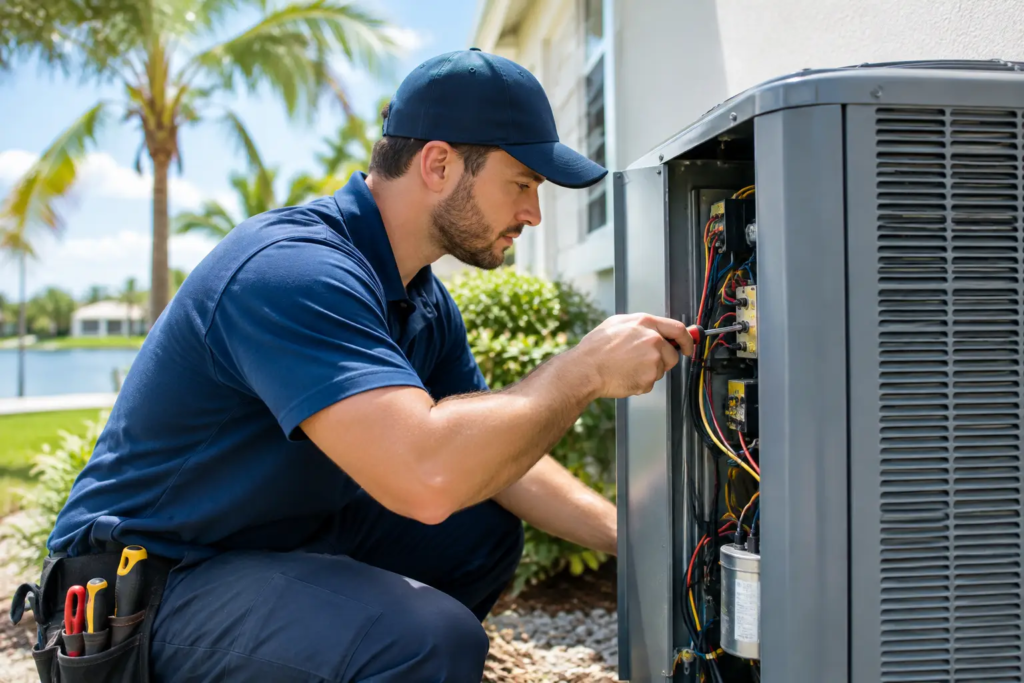
A South Florida cold snap can expose a heating problem quickly. A system that has been quiet for months may suddenly blow cool air, cycle off too soon, make an unfamiliar noise, or fail to start at all. Reliable heating repair South Florida homeowners and businesses need is not about guessing at a quick fix. It starts with identifying the real cause, explaining the options clearly, and restoring safe, dependable comfort.
Although heating season is short compared with cooling season, your heater still matters. Overnight temperatures can drop enough to make bedrooms uncomfortable, affect older residents and young children, or leave a business with unhappy employees and customers. For properties with heat pumps, which are common across Broward County and surrounding communities, the same equipment often handles both heating and cooling. That makes prompt attention to heating issues a smart way to protect year-round HVAC performance.
Signs You Need Heating Repair in South Florida
A heater does not have to stop completely before it needs service. Reduced performance often starts with small changes that are easy to overlook after a long stretch of warm weather. If your home is taking longer to warm up, some rooms stay noticeably cooler, or the thermostat setting no longer matches how the space feels, the system should be checked.
Strange sounds deserve attention as well. Rattling can point to a loose panel or component. Grinding may indicate a motor or bearing issue. Repeated clicking, buzzing, or hard starts can involve electrical controls, capacitors, or a failing contactor. These symptoms are not always emergencies, but continuing to run the system can turn a manageable repair into a larger one.
For heat pump systems, a unit that blows cool air in heating mode may be dealing with a thermostat setting problem, refrigerant issue, reversing valve concern, airflow restriction, or a defrost-cycle malfunction. A technician needs to test the system rather than assume the answer. Replacing a part without proper diagnosis can waste time and money.
Call for service promptly if you notice burning odors that do not fade after a brief first use, a tripped breaker, water around the indoor equipment, frequent on-and-off cycling, or a sharp rise in electric bills. If you have a gas furnace and smell gas, leave the area, avoid switches or flames, and contact the gas utility or emergency services before arranging HVAC service.
Why South Florida Heating Systems Need Local Knowledge
Heating equipment in Fort Lauderdale, Miami, West Palm Beach, and Broward County operates differently from systems in colder climates. Many local homes rely on heat pumps, which move heat rather than create it through fuel combustion. They are efficient for our mild winters, but their operation depends on refrigerant charge, electrical components, airflow, thermostat controls, and outdoor-unit condition.
Humidity also matters. Moisture can affect electrical connections, contribute to corrosion, and place additional strain on equipment over time. Because the HVAC system is used heavily for cooling most of the year, a heating issue may share roots with a broader maintenance concern. A dirty filter, restricted return air, worn blower motor, failing capacitor, or neglected outdoor coil can affect both modes.
Property layout matters too. A two-story home with uneven airflow may need a different solution than a compact condo or a commercial office with multiple zones. A dependable technician considers ductwork, insulation, thermostat placement, equipment age, and the way occupants use the space. The right recommendation should fit the property, not a standardized equipment package.
What a Professional Heating Repair Visit Should Include
A quality service call begins with questions. When did the issue start? Does it happen every time the system runs? Is it limited to one area? Have you seen changes in cooling performance, utility costs, or thermostat behavior? These details help narrow the diagnosis before testing begins.
From there, the technician should inspect the thermostat, electrical connections, safety controls, air filter, blower operation, outdoor unit, and accessible drainage and airflow components. For a heat pump, testing may include checking the reversing valve, refrigerant pressures, defrost controls, capacitors, and compressor performance. For furnaces, the inspection may include ignition components, burners, flame sensing, venting, and carbon monoxide safety considerations.
The goal is not simply to get heat running for the moment. It is to determine whether a repair addresses the source of the problem and whether the system can continue operating safely. You should receive a clear explanation of what failed, what the repair involves, and whether there are practical options based on the unit’s condition.
Transparent pricing matters here. A homeowner or facility manager should not feel pressured into replacing equipment when a repair makes sense. At the same time, an older system with recurring failures, major component damage, or declining efficiency may make replacement the more cost-conscious choice over time.
Repair or Replace: How to Make the Right Call
There is no single age at which every heater should be replaced. A well-maintained system may have useful life left, while a neglected unit can develop expensive problems sooner. The decision depends on the repair cost, frequency of breakdowns, availability of parts, energy performance, and the overall condition of the equipment.
A straightforward electrical repair or thermostat replacement often makes sense when the system otherwise runs efficiently. On the other hand, a failing compressor, major refrigerant leak, or repeated control-board problems in an aging heat pump deserve a broader conversation. If the unit also struggles to cool your home during summer, replacement planning may prevent a more stressful failure during peak heat.
For commercial properties, downtime and occupant comfort carry extra weight. A repair may be the best immediate answer, but managers should also consider whether an aging system creates operational risk. A planned replacement can be scheduled around business needs, while an emergency failure rarely arrives at a convenient time.
Simple Steps That Help Prevent Heating Problems
South Florida heating systems benefit from regular HVAC maintenance, even if heat is only used occasionally. Maintenance gives technicians a chance to find loose electrical connections, weak capacitors, dirty coils, clogged drains, and airflow issues before a cold evening reveals them.
Between professional visits, keep the air filter clean and use the correct filter size and rating for your system. Avoid blocking supply vents or return grilles with furniture, storage, or curtains. Check that the thermostat is set to heat mode and has fresh batteries if it uses them. Around the outdoor unit, clear leaves, landscaping, and debris that can restrict airflow.
It is also wise to test heating mode before the first real cold front. Let the system run long enough to confirm that warm air is reaching the rooms you use. A faint dusty smell can be normal after a long period without operation, but persistent odors, smoke, or unusual sounds are reasons to stop and call a licensed technician.
When Heating Trouble Is an Emergency
Not every heating repair requires same-day service, but some situations should not wait. No heat in a household with vulnerable occupants, electrical burning smells, repeated breaker trips, gas odors, visible smoke, or a carbon monoxide alarm are urgent concerns. Businesses should also act quickly when a heating failure affects customers, employees, sensitive equipment, or building safety.
Premier Cooling LLC provides licensed and insured HVAC service with 24/7/365 emergency availability for customers who need a fast response. With more than 1,200 customers served, over eight years of experience, and 250-plus positive reviews, the focus remains on straightforward recommendations and repairs that fit the property’s actual needs.
A working heater is easy to take for granted in South Florida until the temperature drops. Testing it early, responding to warning signs, and choosing qualified service can keep a brief cold front from becoming an uncomfortable disruption.
