

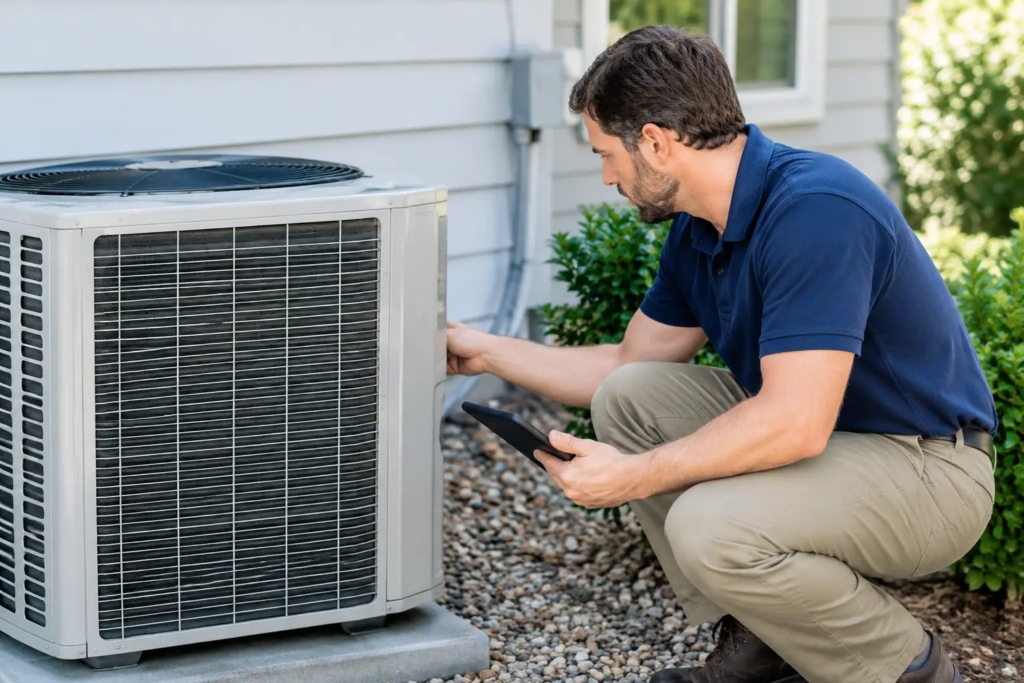
Your AC starts, runs for a few minutes, shuts off, then starts again before your home ever feels comfortable. In South Florida, that pattern is more than an annoyance. Learning how to reduce air conditioner short cycling can protect your equipment, improve humidity control, and help prevent a small issue from becoming an after-hours breakdown.
Short cycling means the system is turning on and off more frequently than a normal cooling cycle. A properly operating air conditioner should run long enough to lower the indoor temperature and remove moisture from the air. The exact runtime depends on outdoor heat, insulation, thermostat settings, and system size, but repeated cycles of only a few minutes deserve attention.
Why Short Cycling Is a Bigger Problem in South Florida
Broward County heat puts heavy demand on every part of an air conditioning system. High humidity adds another layer: your AC does not just cool the air, it also removes moisture. When the system shuts down too quickly, it may lower the temperature near the thermostat without running long enough to dehumidify the whole space.
That can leave a home feeling cool but clammy, especially in bedrooms, additions, upstairs rooms, and areas with weak airflow. For businesses, short cycling can create hot and humid zones that affect employees, customers, inventory, or equipment.
Frequent starts also place extra strain on electrical components and the compressor. The compressor is one of the most expensive parts of an AC system. Addressing short cycling early is often less costly than waiting for repeated hard starts to lead to a major repair.
Start With the Simple Checks
Some causes are straightforward and safe for a homeowner or property manager to check. Start with the air filter. A heavily clogged filter restricts airflow, which can cause the evaporator coil to get too cold and may trigger a safety shutdown. In a high-use South Florida home, filters often need attention more often than the package schedule suggests.
Check that supply vents are open and unobstructed by furniture, rugs, or curtains. Also make sure the return grille is clear. Closing multiple vents to force more cooling into one room can create airflow problems and does not usually solve an uneven-temperature issue.
Next, look at the thermostat. Set it to COOL with the fan set to AUTO, then choose a reasonable temperature. Dropping the thermostat dramatically lower will not cool the home faster. It can simply keep the system running longer after it starts. If the thermostat screen is blank, unresponsive, or placed near a sunny window, kitchen, supply vent, or heat-producing appliance, it may be sending inaccurate signals.
A thermostat located in a naturally cooler part of the home can shut the AC off while warmer rooms still need cooling. This is common in homes with additions, open floor plans, or uneven duct distribution. Moving a thermostat is sometimes helpful, but it should be evaluated as part of the full airflow picture rather than treated as an automatic fix.
Common Mechanical Causes of AC Short Cycling
When the basic checks do not correct the problem, a licensed HVAC technician should diagnose the system. Short cycling has several possible causes, and the right repair depends on what the equipment is doing before it shuts off.
Dirty Coils and Restricted Airflow
Even with a clean filter, the indoor evaporator coil and outdoor condenser coil can collect dirt. The outdoor unit is exposed to grass clippings, leaves, salt air, landscaping debris, and general buildup. A dirty condenser coil cannot release heat effectively, causing operating pressures to rise and potentially triggering a safety control.
The indoor coil is less visible but equally important. Dust bypassing a filter, duct leakage, and neglected maintenance can coat the coil and reduce airflow. If you see ice on refrigerant lines or the indoor unit, turn the cooling system off and schedule service. Running an iced-up system can cause further damage.
Refrigerant Leaks
Low refrigerant is not a normal seasonal condition. If refrigerant is low, there is usually a leak that must be located and repaired. Low charge can lead to frozen coils, poor cooling, and short cycling, while an improperly charged system after installation or repair can create similar symptoms.
Refrigerant work requires specialized equipment and proper handling. Avoid products or quick fixes that promise to recharge a system without identifying the leak. A technician should measure system pressures, inspect for leaks, and confirm that airflow and other operating conditions are correct before making adjustments.
Electrical and Control Problems
A failing capacitor, contactor, relay, control board, or compressor component can cause the unit to start and stop abnormally. You may hear clicking from the outdoor unit, notice the fan struggling to start, or experience cooling that cuts out without reaching the thermostat setting.
Electrical problems are not a homeowner repair. Turn the system off if you smell burning, hear loud buzzing, see a tripped breaker that trips again, or notice damaged wiring. These conditions call for prompt professional service, not repeated resets.
An Oversized Air Conditioner
Bigger is not always better in air conditioning. An oversized unit can cool the area near the thermostat very quickly, satisfy the temperature setting, and shut down before it removes enough humidity. The result can be short cycles, inconsistent comfort, and unnecessary wear.
Oversizing may happen when a system is selected based only on square footage. A proper replacement recommendation should account for insulation, window exposure, ceiling height, occupancy, ductwork, layout, and South Florida humidity. In commercial spaces, equipment loads, business hours, and the number of occupants also matter.
If short cycling began soon after a new installation, ask for a complete system evaluation. The issue may involve sizing, thermostat configuration, duct design, refrigerant charge, or equipment setup. Replacing components without diagnosing the entire installation can waste money.
Maintenance That Helps Reduce Air Conditioner Short Cycling
Preventative maintenance is one of the most reliable ways to reduce air conditioner short cycling before it becomes an emergency. During a professional tune-up, a technician can inspect coils, confirm airflow, test electrical components, check the condensate drain, evaluate thermostat operation, and identify signs of refrigerant or compressor trouble.
For homeowners, changing filters regularly and keeping the outdoor unit clear are useful habits. Leave adequate open space around the condenser so it can release heat. Do not stack items against it or cover it while it is operating. Gently removing loose leaves from the surrounding area is fine, but coil cleaning and electrical access are best left to a technician.
For property owners and facilities managers, scheduled maintenance is particularly valuable because short cycling may affect several zones or units at once. Keeping service records can also help identify repeat failures, aging equipment, and patterns related to peak occupancy or operating hours.
When to Call for AC Repair
Call for professional diagnosis if your system repeatedly runs for less than about 10 minutes, if it short cycles multiple times in an hour under normal conditions, or if indoor humidity rises even when the AC is operating. Water around the indoor unit, ice on the refrigerant line, warm air from vents, unusual noises, or breaker trips are also clear reasons to schedule service.
Do not wait if vulnerable family members, tenants, customers, or employees are affected by indoor heat. In South Florida, an AC problem can become a comfort and safety concern quickly. Premier Cooling LLC provides licensed, insured service and 24/7/365 emergency availability for homeowners and businesses that need a clear answer and a practical repair plan.
A short-cycling air conditioner is giving you useful information: something is preventing it from completing a healthy cooling cycle. A timely inspection can restore steadier comfort, better humidity control, and confidence that your system is ready for the next stretch of Florida heat.
